

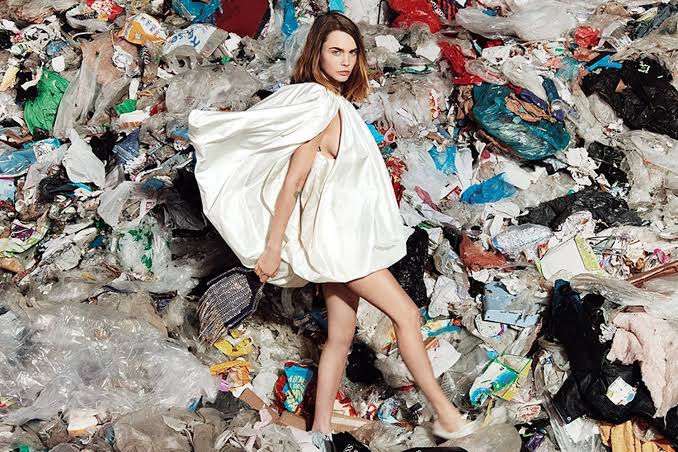
For decades, haute couture and environmental sustainability were viewed as fundamentally opposing forces. High fashion thrived on excess, rare materials, and rapid seasonal turnover, while sustainability was often associated with basic, uninspiring organic cotton basics. However, a profound structural shift is redefining the upper echelons of fashion. Today, the world’s most elite ateliers are proving that true luxury lies not in waste, but in flawless, transparent craftsmanship and radical textile innovation.
The modern conscious consumer no longer demands just exclusivity; they demand ethical sovereignty.
Next-Gen Luxury Textiles: The New Material Science
The true revolution begins at the molecular level. High-end ateliers are moving far beyond basic recycled fibers to partner with avant-garde material science laboratories. The result is a new class of textiles that match—and often exceed—the drape, tensile strength, and sensory luxury of traditional couture fabrics.
Among the most significant breakthroughs are bio-engineered silks. Created through precision fermentation processes that mimic the structural proteins of spider silk, these fabrics offer a flawless, high-gloss luster completely free from animal exploitation. Similarly, plant-derived premium leathers—cultivated from mycelium cultures or upcycled agricultural by-products—are being treated with non-toxic, bio-based tanning agents to achieve the exact suppleness and patina associated with heritage Italian tanneries. Complete with closed-loop dyeing processes that capture and recycle 99% of water and chemical inputs, these innovations ensure that a gown’s vibrant hue does not come at the cost of local ecosystems.
Preserving Heritage Craft: Shifting the Supply Chain
Sustainable couture is as much about human capital as it is about environmental preservation. To build true enterprise durability, forward-thinking luxury houses are aggressively reinvesting in the preservation of heritage craft.
Across the globe, remote artisan communities possess generational hand-weaving, embroidery, and natural dyeing techniques that are on the verge of extinction due to industrial mass production. Elite ateliers are bypassing traditional, multi-layered supply chains to fund these communities directly. By providing living wages, safe working infrastructures, and long-term contracts, luxury brands are fusing ancient, low-impact craftsmanship with contemporary, borderless silhouettes. This intersection of historic artistry and modern design turns each garment into a rare, collectible piece of cultural preservation.
Conclusion: The Ultimate Mark of Luxury
The integration of sustainable methodologies into haute couture marks a permanent evolution in how the global elite defines value. When a garment requires hundreds of hours of ethical hand-embroidery, utilizes zero-waste pattern drafting, and is constructed from bio-intelligent textiles, its provenance becomes its most valuable asset.
Ultimately, the sustainable couture revolution is proving that ethical responsibility and high-end aesthetic perfection are not mutually exclusive. For the modern luxury consumer, knowing the pristine, transparent journey of a garment is the ultimate expression of style.